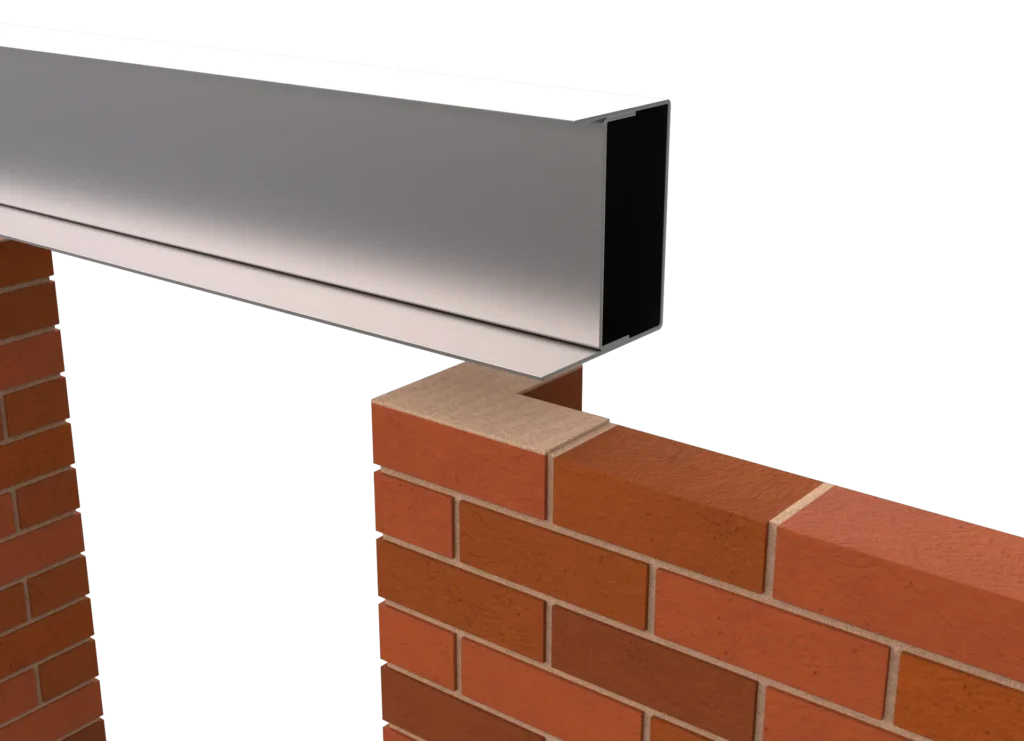
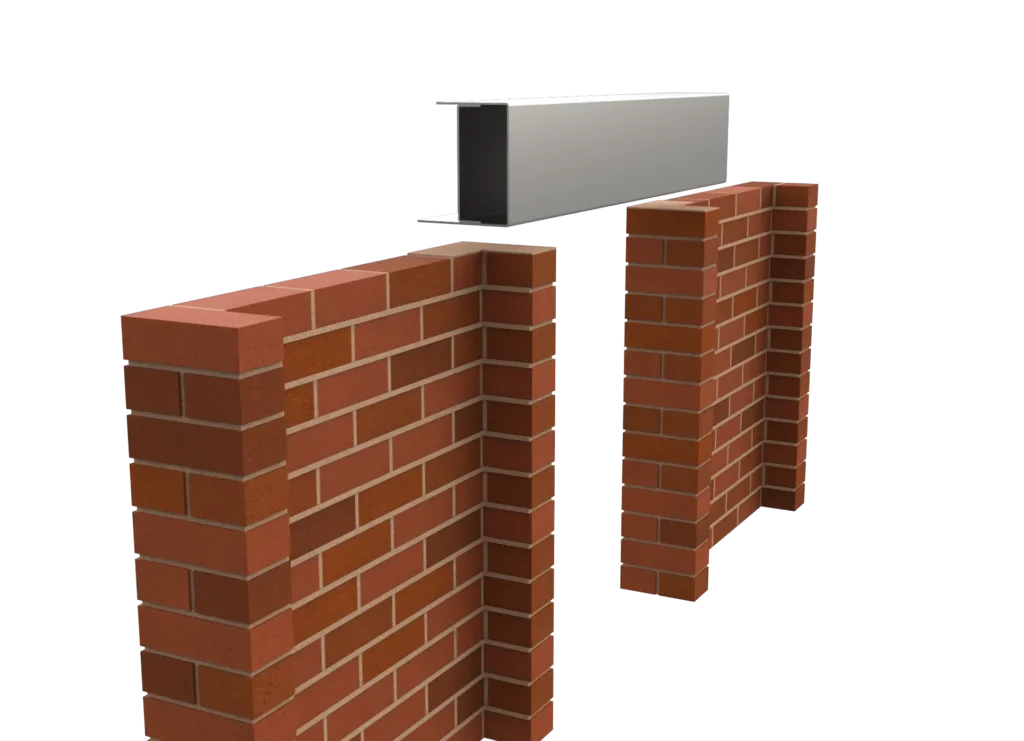
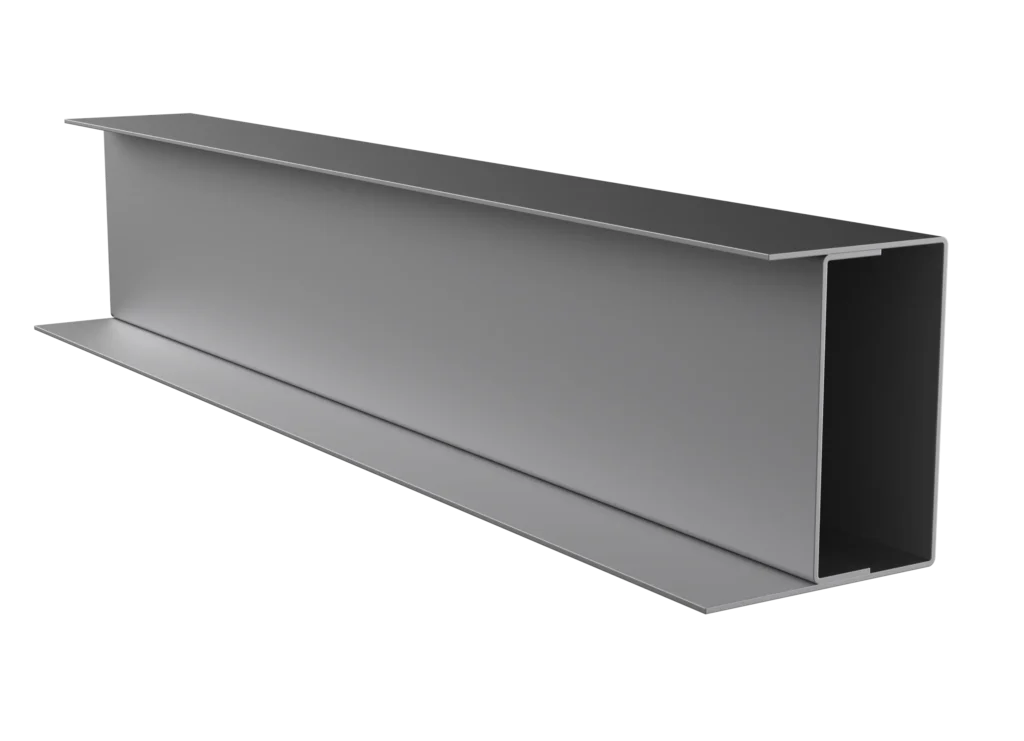
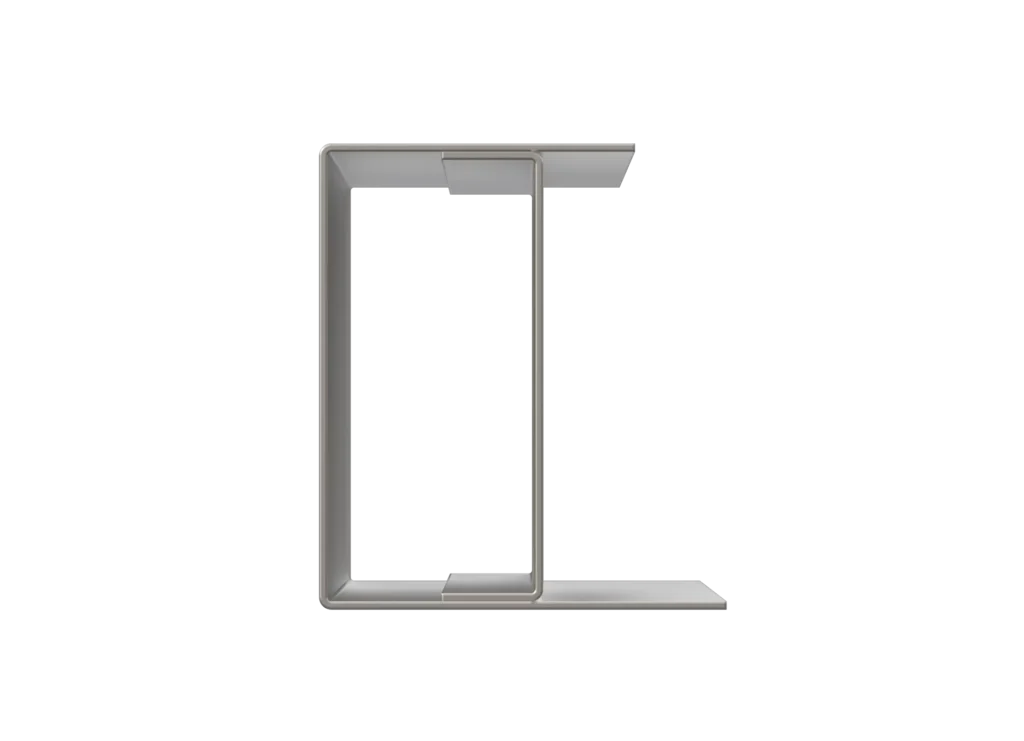
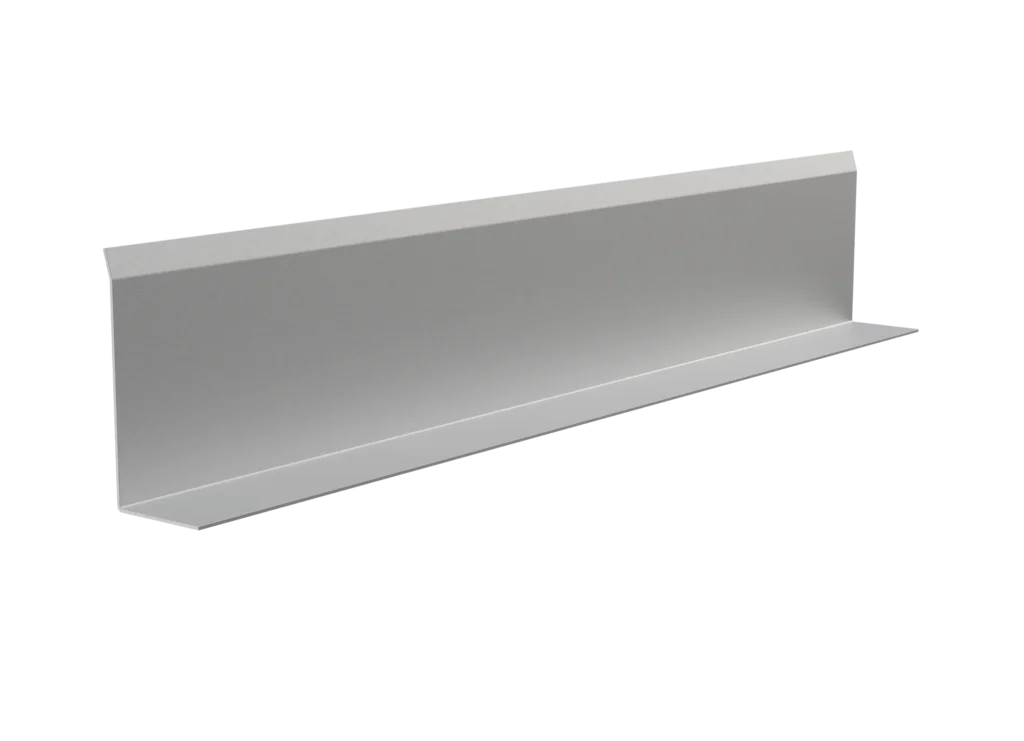
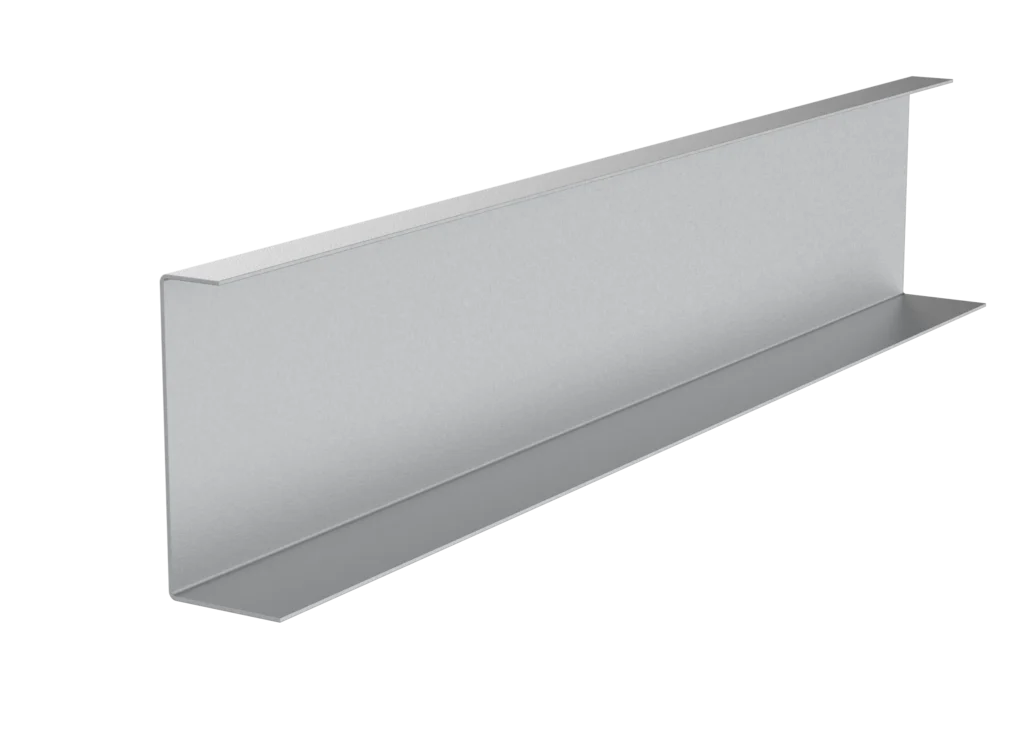
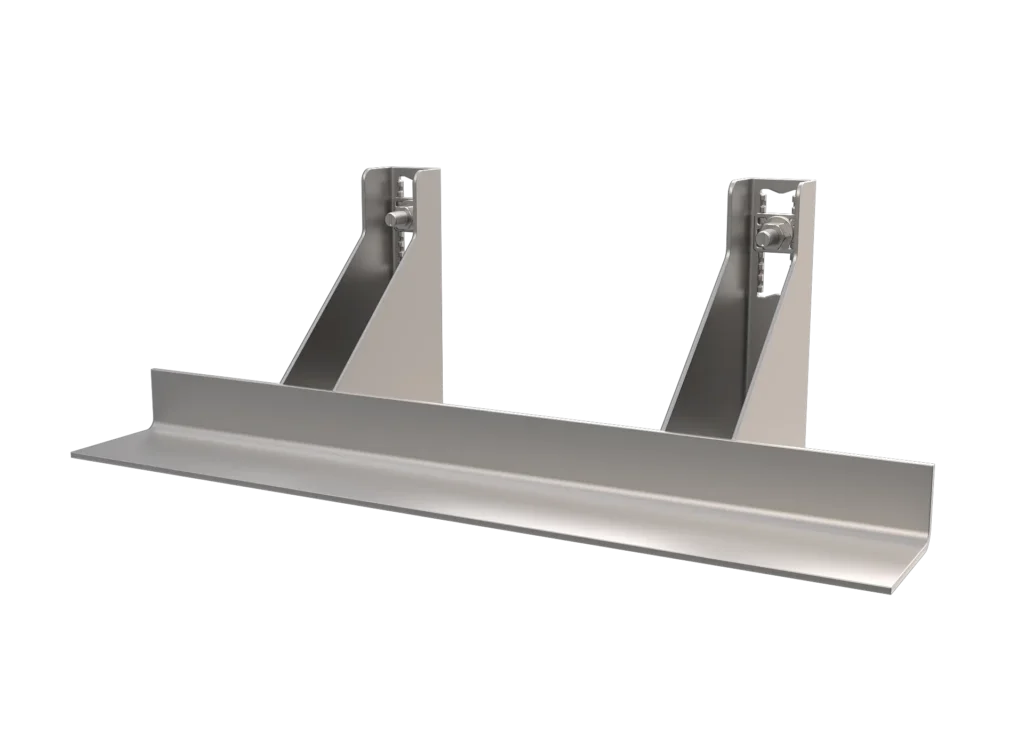
Extra Heavy Duty (XHD) Lintels are engineered for the most demanding structural openings, where very high loads or wide spans need to be carried. Manufactured from austenitic stainless steel to Grade 304, XHD lintels must be fully bearing across their section, usually achieved by bearing onto the brickwork reveal, to reach their full design capacity.
Designed for very high loading situations, XHD lintels suit small openings carrying high loads or larger clear openings requiring wide spans. To achieve the design table figures, the lintel must be fully bearing across its section – usually onto the brickwork reveal – with a minimum bearing length of 200mm to handle the high compressive forces. Available in lengths up to 4900mm, achieving a total UDL of up to 83.5kN.
Simple Specification
The Single Leaf Lintel range carries the external leaf of a cavity wall and needs a separate cavity tray above. Prop lintels during construction to achieve the safe working loads in the design tables. XHD lintels require a minimum bearing of 200mm at either end – greater than the 150mm used across the rest of the range – reflecting the higher compressive forces. Install wall ties within 300mm of the lintel at maximum 450mm centres.
Want to learn more about our Lintels?
Specifying a lintel over an opening? Share your opening width, wall build-up and loading requirements with our Technical Engineering Team and we’ll confirm the right section, length and bearing details your project requires.
Designed for very high loading situations and wide spans over openings
Carries a single leaf of masonry, typically the external leaf of a cavity wall
Available in lengths up to 4900mm, with a lintel height of 229mm and a total UDL of up to 83.5kN, the highest capacity in the ACS Single Leaf Lintel range
Must be fully bearing across its section, usually onto the brickwork reveal, with a minimum 200mm bearing at either end because of the high compressive forces
Designed to BS EN 845-2 and specified in accordance with PD 6697, independently tested to BS EN 846-9 by the Building Research Establishment and Lucideon
Grade 304 (1.4301) austenitic stainless steel, with Grade 316 available for coastal or corrosive environments, UKCA / CE+UKNI marked and CCPI-assessed
More Than a Manufacturer. A Compliance Partner.
Every ACS customer benefits from ACS Assured – our framework built on three pillars: Compliance Through Expertise, Assurance Through Transparency, and Performance & Innovation. From Gateway 2 documentation to full product traceability and sustainable manufacturing credentials, it’s built into everything we supply.
Join the ACS CPD series to enhance your knowledge and skills across a variety of construction based topics, ensuring you stay up to date with the latest products on the market and meet the latest regulatory requirements. We offer a range of CPDs, many fully certified, with an official CPD certificate in recognition.
XHD Lintels are designed to BS EN 845-2 and independently tested to BS EN 846-9 by the Building Research Establishment and Lucideon, and have achieved a Code for Construction Product Information (CCPI) mark for clear, accurate product information.
Download NBS/BIM
Access the NBS specification and BIM resources for this product to support your project planning, specification and design.
Request the CAD file
Need the CAD file for this product? Submit a request using our form and our team will be in touch.
The ACS Single Leaf Lintels Technical Data Sheet covers product highlights, product summary, Standard Duty ‘L’ Section, Heavy Duty ‘C’ Section and Extra Heavy Duty ‘XHD’ design tables, installation guidance, restrictions, safety and materials.
When should I specify XHD instead of C Type or L Type?
XHD lintel is the right choice for very high loading situations or wide clear spans that exceed what C Type lintels can achieve. L Type and C Type lintels suit progressively lower loads, with XHD lintels sitting above both as the highest capacity option in the range.
What loads and spans does XHD Lintel cover?
XHD lintels are available in lengths up to 4900mm, achieving a total UDL of up to 83.5kN. Capacities shown are for the lintel itself – bearing capacity checks on the brickwork below remain the responsibility of the project engineer.
What bearing does XHD Lintel require?
XHD lintel requires a minimum bearing length of 200mm at either end – greater than the 150mm required across the rest of the range – due to the high compressive forces involved.
Why does the XHD lintel need to be fully bearing across its section?
To achieve the loads stated in the design tables, the lintel must be fully bearing across its section, usually achieved by bearing onto the brickwork reveal. This spreads the high compressive forces evenly and is essential to reaching the lintel’s full design capacity.